Senior Fitness and Menopause: What Research Says About Exercise After 50
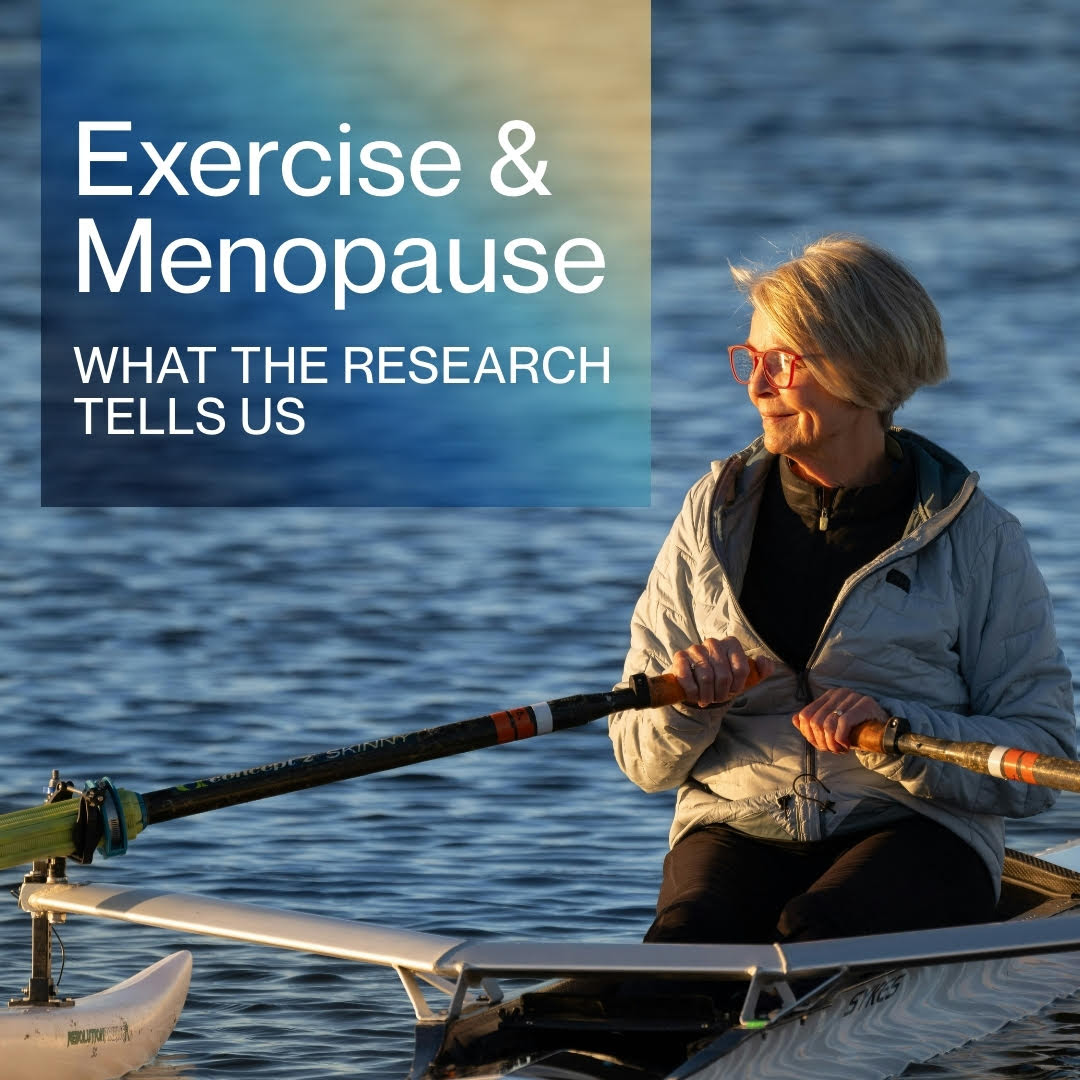
Exercise and Menopause: What the Research Tells Us
For Mariella Frostrup, menopause brought unexpected challenges with diet, exercise, weight, and strength.
“I realized I needed to go back to weight training,” says the Irish-Norwegian writer and television presenter known in the UK. “The moment of truth was struggling to open one of those pull-top cans — I just didn’t have the muscle strength.”
Her experience reflects what many women discover during midlife: the body changes, butexercise remains one of the most powerful tools for staying healthy and strong.
Researchers have long known that regular movement helps manage menopause symptoms such as mood swings, sleep disruption, and changes in body composition. New studies are now offering deeper insight intowhystaying active during menopause matters so much.
What Recent Research Shows About Exercise and Menopause
Several recent reports highlight how exercise affects women during midlife.
First, a study reported by ScienceDaily found that even elite endurance athletes experience menopause symptoms such as fatigue, disrupted sleep, mood changes, and joint pain. These symptoms can influence training quality and recovery.
However, the study also emphasized thatthoughtful exercise programming, adequate recovery, and support systemshelp women continue training successfully.
Another report summarized by National Geographic suggests women may gaineven greater cardiovascular benefits from exercise than men. Regular moderate activity appears to significantly reduce the risk of heart disease and overall mortality for women.
For women navigating menopause, this protection becomes particularly important because cardiovascular risk increases during and after the transition.
A wellness report from Flow Space also examined a structured 60-day program created by Peloton and Respin Health, the menopause-focused company founded by actress Halle Berry. Participants followed a program combining strength training, cardio, and improved nutrition.
The results were encouraging. Participants reported improvements inenergy, sleep quality, and overall wellbeing, reinforcing existing research that exercise improves quality of life during menopause.
Why Strength Training Matters Most During Menopause
Hormonal changes during menopause can lead to:
Loss of muscle mass
Decreased bone density
Slower metabolism
Changes in body composition
Strength training directly addresses these changes by helping maintain muscle, protect bones, and support metabolic health.
This doesn’t require extreme workouts. A balanced routine that includes strength training, cardiovascular exercise, and mobility work can support both physical and mental health.
Changing the Narrative Around Aging
Frostrup, now 62, often speaks openly about how menopause reshaped her approach to health and fitness. She now prioritizes walking, yoga, weight training, and other forms of movement to maintain strength and confidence.
She believes society often sends the wrong message about aging.
“Part of the problem with aging is that we have this cultural expectation — even an acceptance — that we’re just going to disintegrate,” she toldGood Housekeeping UK. “We’re not really encouraged to push back against it.”
Instead, she encourages women to rethink what aging looks like and to stay active through the transition.
Her advice is refreshingly simple:
Build movement into daily life with walking, swimming, or running. Add strength training to support bone density and muscle. Include practices like yoga or Pilates to maintain flexibility and balance.
Movement Is Still the Foundation
Menopause doesn’t reduce the value of exercise — it actuallymakes it more important.
Regular movement helps women maintain strength, support heart health, improve sleep, stabilize mood, and protect long-term independence.
At Desert Fitness Collective, we specialize in helping adults over 50 train safely and effectively through every stage of life, including menopause.
Strong muscles, balanced movement, and supportive community make all the difference.
And we’re here to help you build it.

Start Getting In Better Shape

Submit Your Info
Get to know each other. Learn about our program. Get a personalized plan.

Submit Your Info
Get to know each other. Learn about our program. Get a personalized plan.

Follow Our Plan
Exercise at least 3x/wk, follow our nutrition steps, communicate with your coach.
Follow Our Plan
Exercise at least 3x/wk, follow our nutrition steps, communicate with your coach.

Reach Your Goal
Love the way you look, feel strong, fit, and live more active.
Reach Your Goal
Love the way you look, feel strong, fit, and live life on your terms!
About Us
We help seniors take the guesswork out of exercise so they can achieve their fitness goals. With our coaching program, you will confidently workout, nourish your body, and stay committed to your goals, without spending a fortune on a personal trainer.
Do you want help transforming your body and fitness?
Affiliations


2024 Copyright © Desert Fitness Collective: Senior Fitness in Palm Desert
About Us
We’ll help you take the guesswork out of staying in shape so you can achieve your fitness goals. With our coaching program, you will confidently exercise, meal plan, and stay committed to your goals, without spending a fortune on a personal trainer.
Do you want help to transform your body and fitness?
Affiliations