Senior Fitness and Brain Health: How Exercise May Help Fight Alzheimer’s Disease
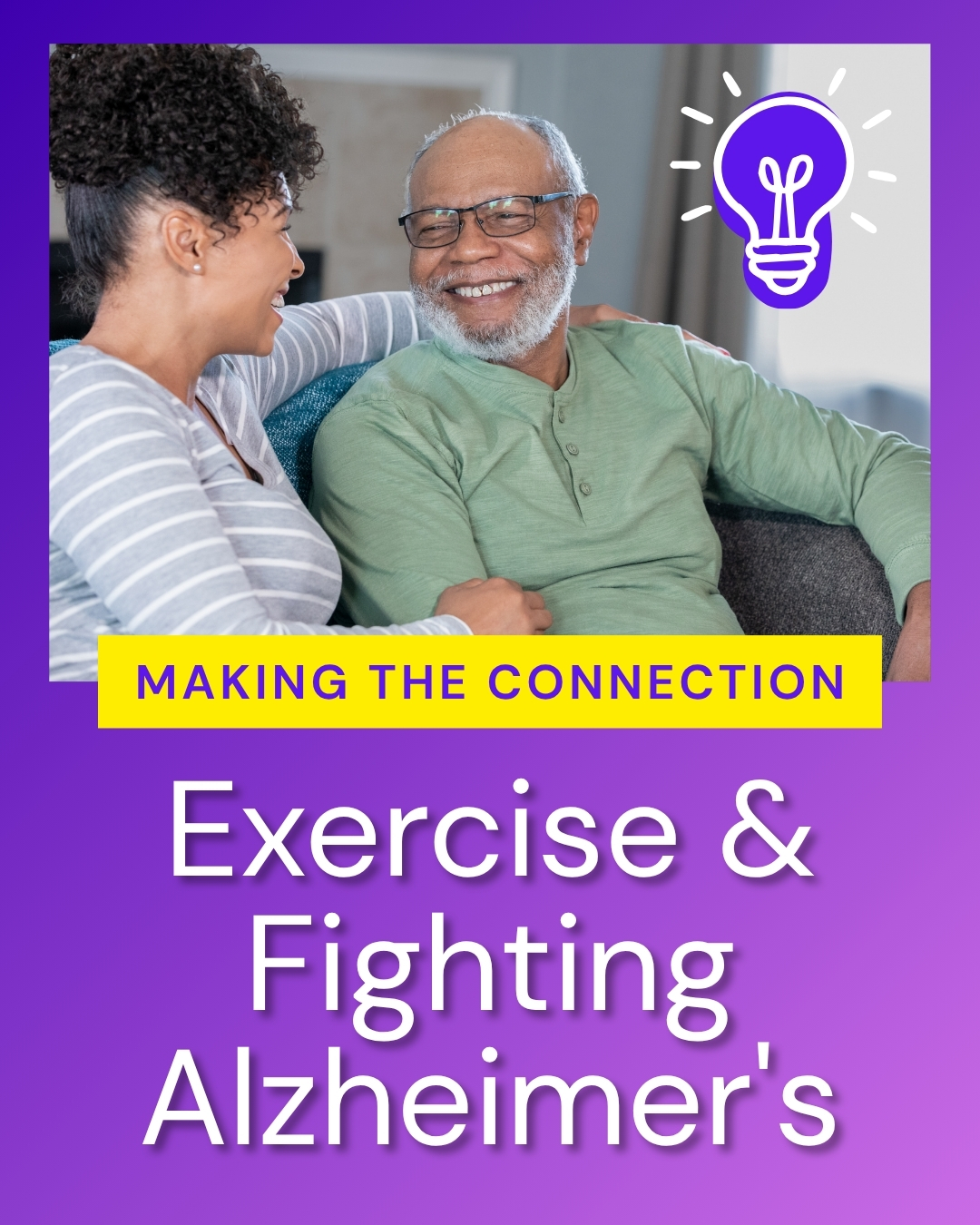
Making the Connection: Exercise & Fighting Alzheimer's
Most Americans believe lifestyle habits are important for brain health.
But fewer than half connect those habits to actually lowering their risk of Alzheimer's disease.
That gap matters.
June isAlzheimer's and Brain Awareness Month, making it the perfect time to close it.
The Numbers Are Eye-Opening
Today, an estimated 7.4 million Americans age 65 and older are living withAlzheimer's disease.
The numbers continue to grow.
The personal risk is significant:
Women face roughly a 1-in-5 lifetime risk
Men face roughly a 1-in-10 lifetime risk
Those statistics are sobering.
But they aren't the whole story.
Nearly Half of Dementia Cases May Be Preventable
TheAlzheimer's Associationreports that approximately half of dementia cases worldwide may be linked to modifiable risk factors.
A 2024 report fromLancet Commissionidentified 14 risk factors that could potentially reduce dementia cases by as much as 45% if addressed through lifestyle changes.
Think about that for a moment.
Nearly half.
The Alzheimer's Association summarizes it perfectly:
"Everyday actions. Lifelong impact."
There is no guaranteed prevention strategy.
But there are actions you can take.
The Lifestyle Factors That Matter Most
Many of the biggest risk factors are areas where healthy habits make a measurable difference:
Physical activity
Blood pressure management
Blood sugar control
Nutrition
Sleep quality
Social engagement
One factor appears on nearly every list:
Physical inactivity.
The good news?
It's one of the most controllable.
What You Do Today Matters Tomorrow
Every workout is an investment in your future strength, independence, and brain health.

Safe, evidence-based fitness designed specifically for adults over 50.
What the Latest Research Shows
A 2025 study published inNature Medicineexamined older adults at risk for Alzheimer's.
Researchers found that physical inactivity was associated with:
Faster buildup of tau proteins
Greater cognitive decline
Tau proteins are one of the hallmark biological features of Alzheimer's progression.
The participants who remained physically active showed slower progression.
Movement mattered.
Why Strength Training Is Getting So Much Attention
Another 2025 study followed older adults already experiencing mild cognitive impairment.
Participants who completed:
Two strength-training sessions per week
For six months
showed improvements in:
Verbal memory
Brain health
Regions associated with Alzheimer's disease
Meanwhile, the non-exercising group experienced further decline.
Lead researcherIsadora Ribeirosummarized it this way:
"Weight training is a strong ally against dementia."
Even among individuals already considered high risk.
How Exercise Protects the Brain
Research suggests exercise helps by:
Strengthening the hippocampus (memory center)
Supporting the prefrontal cortex (decision-making and focus)
Improving blood flow
Reducing inflammation
Stimulating proteins that help brain cells survive and grow
In other words:
Exercise doesn't just strengthen your muscles.
It strengthens your brain.
You Don't Need to Become an Athlete
One of the most encouraging findings across multiple studies is how little exercise is required to see meaningful benefits.
The research consistently supports:
Two to three strength-training sessions per week
Basic exercises targeting major muscle groups
Consistent participation over time
You don't need marathon training.
You don't need extreme workouts.
You simply need a plan you can stick with.
The Choices You Make Today Shape Tomorrow
The workouts you complete today are about much more than appearance.
They're about protecting:
Independence
Memory
Confidence
Quality of life
Years from now.
That may be the most powerful reason to keep moving.
Ready to Invest in Your Brain Health?
Build Strength. Protect Your Future.
Strength training supports more than muscles—it may help preserve the memories and independence that matter most.
Specialized senior fitness designed to help you stay physically strong and mentally sharp.

Start Getting In Better Shape

Submit Your Info
Get to know each other. Learn about our program. Get a personalized plan.

Submit Your Info
Get to know each other. Learn about our program. Get a personalized plan.

Follow Our Plan
Exercise at least 3x/wk, follow our nutrition steps, communicate with your coach.
Follow Our Plan
Exercise at least 3x/wk, follow our nutrition steps, communicate with your coach.

Reach Your Goal
Love the way you look, feel strong, fit, and live more active.
Reach Your Goal
Love the way you look, feel strong, fit, and live life on your terms!
About Us
We help seniors take the guesswork out of exercise so they can achieve their fitness goals. With our coaching program, you will confidently workout, nourish your body, and stay committed to your goals, without spending a fortune on a personal trainer.
Do you want help transforming your body and fitness?
Affiliations


2024 Copyright © Desert Fitness Collective: Senior Fitness in Palm Desert
About Us
We’ll help you take the guesswork out of staying in shape so you can achieve your fitness goals. With our coaching program, you will confidently exercise, meal plan, and stay committed to your goals, without spending a fortune on a personal trainer.
Do you want help to transform your body and fitness?
Affiliations