Senior Fitness & Brain Health: How Strength Training Helps Protect Against Dementia
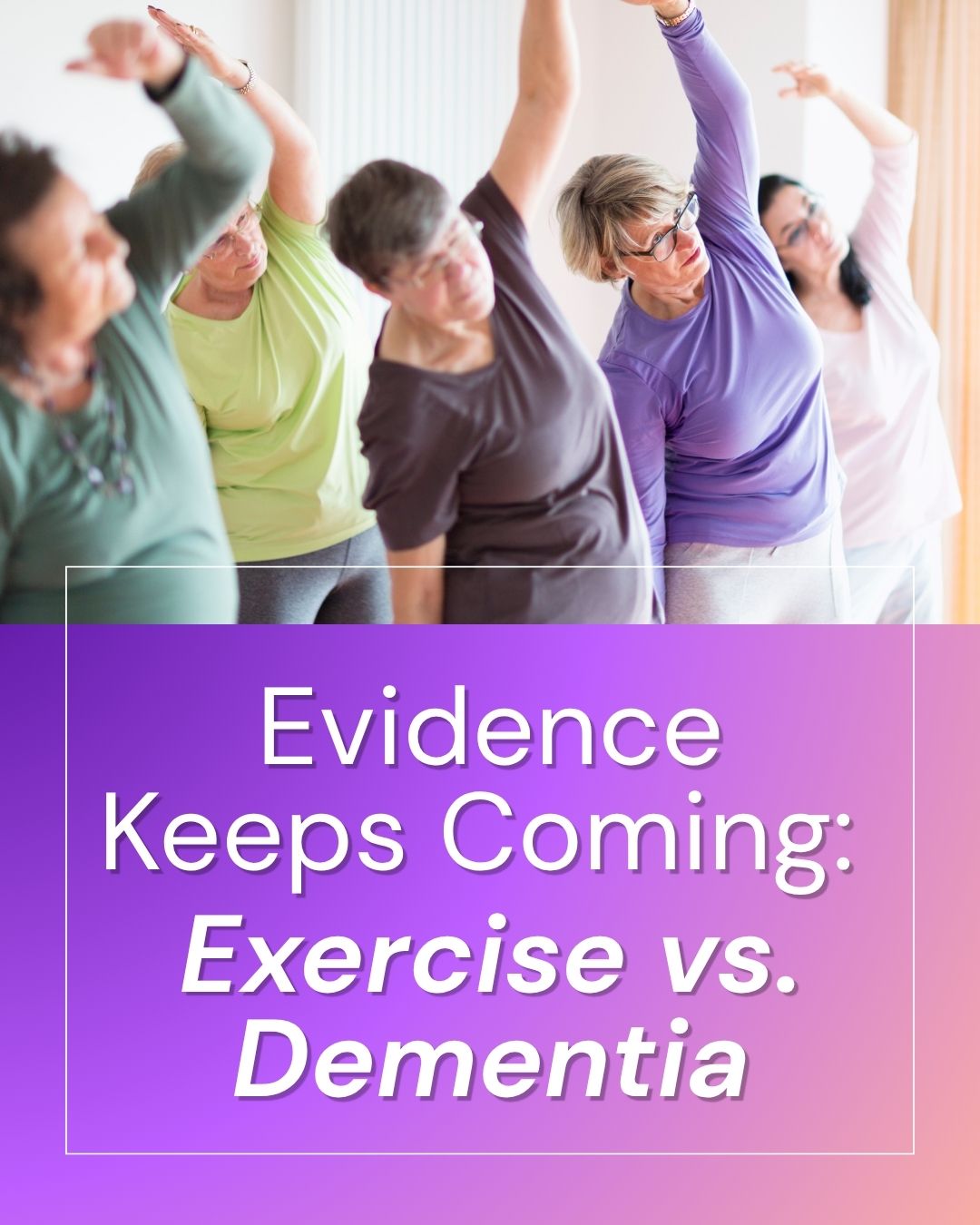
Evidence Keeps Coming: Exercise vs. Dementia
A few years ago, a neuroscientist atNew York Universitygave a TED Talk about exercise and the brain.
It has since been viewed more than 11 million times.
Wendy Suzuki’s message was personal as much as scientific.
In her 50s, she had stopped exercising and had no social life. When she returned to the gym, something changed:
Her mood improved
Her focus sharpened
She began studying her own transformation through the lens of neuroscience.
What she found was powerful:
Exercise is one of the most transformative things you can do for your brain.
The benefits are:
Immediate
Long-lasting
Protective againstAlzheimer’s diseaseanddementia
And her message is simple:
It’s never too late to strengthen your mind.
What the Latest Research Shows
Recent studies are reinforcing — and expanding — that message.
A 2025 study published inGeroSciencelooked at older adults with mild cognitive impairment.
One group did twice-weekly strength training for six months
The other group did no training
The results:
The training group improved verbal memory
Brain regions linked to Alzheimer’s improved
The non-training group showed decline in those same regions
Lead researcherIsadora Ribeiroconcluded:
“Weight training is a strong ally against dementia — even for those at high risk.”
A separate study inAge and Ageingfound that:
A 24-week strength training program triggered protective brain changes
Benefits were strongest in people with early Alzheimer’s markers
Earlier research from theUniversity of Sydneyshowed:
Brain protection from strength training lasted at least one year after training stopped
ProfessorMichael Valenzuelastated:
Resistance training should become a standard part of dementia prevention strategies.
Protect Your Body — And Your Brain
Strength training isn’t just about muscle — it’s one of the most powerful tools for brain health.

Safe, guided training designed specifically for seniors.
Why Strength Training Works for Brain Health
Strength training directly impacts key areas of the brain, including:
The hippocampus (memory center)
The prefrontal cortex (decision-making and focus)
It also:
Improves blood flow to the brain
Reduces inflammation
Stimulates proteins that help brain cells grow and survive
Here’s something most people don’t realize:
When you build muscle, your muscles send signals to your brain.
The connection is stronger than most people think.
You Don’t Need to Be an Athlete
None of these studies involved elite athletes.
Most participants:
Trained 2–3 times per week
Focused on basic strength exercises
Worked major muscle groups
And here’s the most encouraging part:
The greatest improvements were seen in people already experiencing early decline.
The Real Breakthrough
This research isn’t just telling healthy people to stay healthy.
It’s telling people who are already concerned about memory and cognitive decline:
You still have options.
And those options are real.
It’s Not Too Late to Strengthen Your Mind
As Wendy Suzuki says:
It’s never too late.
You’re not locked into decline.
You’re not past the point of improvement.
You just need to start.
Ready to Strengthen Your Body — and Your Brain?
Stronger Body. Sharper Mind.
Build strength, improve memory, and protect your independence — starting today.
Designed specifically for seniors who want to stay mentally sharp and physically strong.

Start Getting In Better Shape

Submit Your Info
Get to know each other. Learn about our program. Get a personalized plan.

Submit Your Info
Get to know each other. Learn about our program. Get a personalized plan.

Follow Our Plan
Exercise at least 3x/wk, follow our nutrition steps, communicate with your coach.
Follow Our Plan
Exercise at least 3x/wk, follow our nutrition steps, communicate with your coach.

Reach Your Goal
Love the way you look, feel strong, fit, and live more active.
Reach Your Goal
Love the way you look, feel strong, fit, and live life on your terms!
About Us
We help seniors take the guesswork out of exercise so they can achieve their fitness goals. With our coaching program, you will confidently workout, nourish your body, and stay committed to your goals, without spending a fortune on a personal trainer.
Do you want help transforming your body and fitness?
Affiliations


2024 Copyright © Desert Fitness Collective: Senior Fitness in Palm Desert
About Us
We’ll help you take the guesswork out of staying in shape so you can achieve your fitness goals. With our coaching program, you will confidently exercise, meal plan, and stay committed to your goals, without spending a fortune on a personal trainer.
Do you want help to transform your body and fitness?
Affiliations