Senior Fitness After 50: How Exercise Supports Breast Health and Recovery
Senior Fitness After 50: How Exercise Supports Breast Health and Recovery
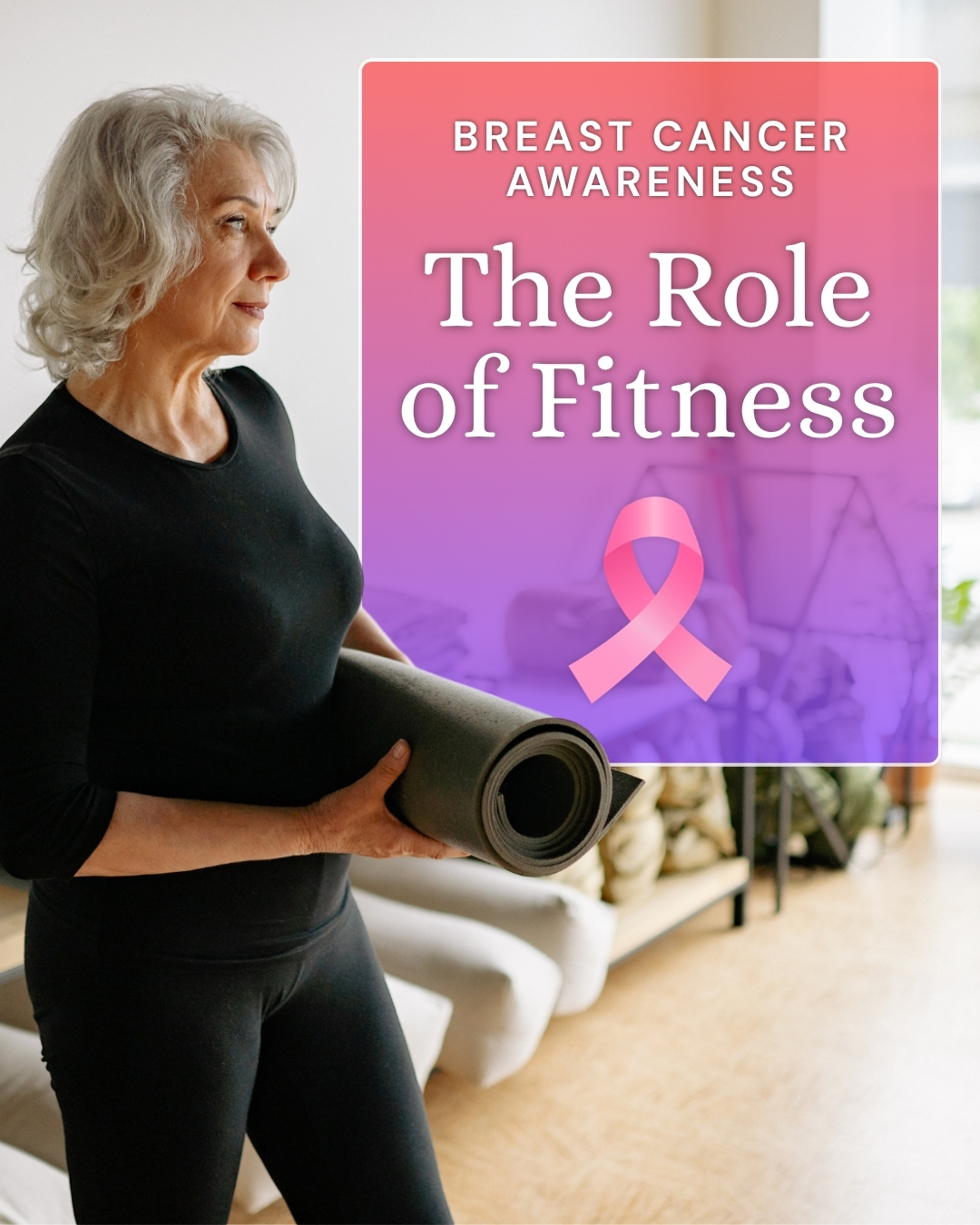
Breast Cancer Awareness Month is a time to recognize the importance of early detection, support those affected by breast cancer, and learn more about what we can do to protect our health.
It's also an opportunity to talk about something that doesn't always get the attention it deserves: the role of physical fitness before, during, and after cancer treatment.
Consider Debbie Mendoza, a retired teacher whose breast cancer treatment left her so exhausted that even cleaning her kitchen could feel overwhelming.
She wanted to become active again but faced a frustrating question: How do you exercise when you barely have the energy to get through the day?
Her answer was to start small.
Through MD Anderson Cancer Center's Active Living After Cancer program, Debbie began with just two minutes of movement a day. Gradually, those two minutes became 10, then 20. Eventually, she was walking her dog regularly, following home exercise videos, and attending a gym class.
Her experience offers an important reminder: You don't have to do everything at once to start making progress.
And that message matters whether you're trying to support your health today or rebuild your strength after a difficult medical experience.
Exercise and Breast Cancer Risk: What Do We Know?
Breast cancer affects millions of women, particularly as they get older. According to the American Cancer Society, approximately one in eight American women will develop breast cancer during her lifetime. The median age at diagnosis is 63. <Cite refs={["turn503215search0"]}/>
Although we can't control every factor that influences our risk, research suggests that physical activity is one factor worth paying attention to.
The National Cancer Institute reports that an analysis of 38 studies found that the most physically active women had a 12% to 21% lower risk of breast cancer than the least active women. The association appeared in both premenopausal and postmenopausal women. <Cite refs={["turn503215search1","turn503215search8"]}/>
Researchers are continuing to investigate why physical activity may be protective. Possible explanations include effects on hormone levels, inflammation, and body weight.
It's important to understand what these findings mean. They show an association between physical activity and lower breast cancer risk; they don't mean exercise guarantees protection or that every woman who develops breast cancer could have prevented it by exercising.
Exercise cannot eliminate breast cancer risk, and it doesn't replace recommended screening or medical care.
But regular movement is one meaningful way to invest in your overall health.
And you don't need an extreme workout routine to begin.
Walking, strength training, cycling, swimming, and other activities can all contribute to a more active lifestyle.
The best place to start is with something appropriate for your current fitness level that you can realistically keep doing.
You Don't Have to Be an Athlete to Benefit
If you hear the wordfitnessand immediately picture someone lifting heavy weights or running marathons, let's change that picture.
Fitness isn't about being the strongest person in the room.
It's about maintaining the physical abilities that help you live your life.
It's having enough strength to carry your groceries.
Enough endurance to enjoy a walk.
Enough balance and mobility to move with confidence.
And enough physical capacity to participate in the activities that matter to you.
For women over 50, these goals become particularly important as we work to maintain muscle strength, bone health, mobility, and independence.
You don't have to train like an athlete to benefit from exercise.
You simply need to find a starting point that works for you.
It's Never Too Late to Start Building Strength
Whether you're starting a new fitness routine or rebuilding your strength after a difficult season, we'll help you take the next step.
No experience needed. We meet you where you are and help you progress at your own pace.
Fitness Can Matter After a Breast Cancer Diagnosis, Too
A breast cancer diagnosis can change life in ways that go far beyond the treatment itself.
Fatigue can make ordinary activities exhausting. Treatment and recovery may affect strength, mobility, and the ability to carry out familiar routines. Some treatments can also affect bone health.
It's understandable that exercise may be the last thing on your mind when you're already dealing with so much.
But appropriately designed physical activity can be a valuable part of cancer care and recovery.
The National Cancer Institute reports that aerobic exercise and resistance training during and after cancer treatment can help reduce fatigue and improve physical function and quality of life. <Cite refs={["turn503215search1","turn503215search2"]}/>
That doesn't mean pushing through exhaustion or forcing yourself to follow a demanding workout plan.
It means recognizing that, when it's medically appropriate, movement may be part of the path toward feeling stronger again.
For one person, that might mean a short walk.
For another, it might mean gentle mobility exercises or a carefully adapted strength-training routine.
For someone else, it may mean working with a physical therapist or cancer rehabilitation specialist before returning to a regular fitness program.
The right approach depends on the individual, the treatment involved, and the person's current abilities.
The goal isn't to do as much as possible. It's to find what your body can safely do today and build from there.
Small Steps Still Count
Remember Debbie's story?
She didn't begin with a 45-minute workout.
She began with two minutes.
That's worth remembering because many people assume that if they can't complete a full workout, there's no point in trying.
But rebuilding an exercise habit doesn't require an all-or-nothing approach.
You can begin with a few minutes of movement and gradually increase the duration as your energy and abilities allow.
You can take breaks.
You can adjust the activity.
You can have easier days.
And you can celebrate progress that might look small to someone else but feel enormous to you.
If you're recovering from breast cancer treatment, consult your healthcare team about the types and amounts of exercise that are appropriate for you. Your needs may change throughout treatment and recovery, and your program should change with them.
Why Strength Training Deserves a Place in the Conversation
Walking and other aerobic activities are valuable, but strength training has an important role, too.
Muscle strength helps us manage everyday tasks, maintain physical function, and continue participating in the activities we enjoy.
Strength training may be particularly relevant for older women because muscle and bone health become increasingly important as we age.
After cancer treatment, an appropriately tailored exercise program may help rebuild physical function and support a return to daily activities. However, treatment-related issues—including bone changes, surgical restrictions, and lymphedema concerns—may require specific modifications and professional guidance.
This is why the right program matters more than simply doing more exercise.
A knowledgeable fitness professional can help with exercise technique, gradual progression, and appropriate modifications, while your medical team guides any cancer-related precautions.
You don't need to figure everything out alone.
Fitness Is About More Than Preventing Illness
It's natural to think about exercise in terms of reducing health risks.
But there's another reason to make movement part of your life.
Fitness helps you participate in life.
It's being able to walk your dog.
Enjoy a day out with friends.
Travel without feeling that every step is a struggle.
Work in the garden.
Play with your grandchildren.
Or simply feel more confident doing the things you need to do every day.
For someone recovering from cancer treatment, regaining those everyday abilities can be especially meaningful.
And for those who haven't faced a cancer diagnosis, maintaining strength and physical function is still a worthwhile investment in healthy aging.
We can't predict every health challenge we'll face. We can't control every outcome.
But we can take steps to care for our bodies and maintain the abilities that support our independence.
This Breast Cancer Awareness Month, Start Where You Are
Maybe you're already exercising regularly.
Maybe you've been meaning to start.
Maybe you're recovering from an illness or medical treatment and wondering how to get back into a routine.
Wherever you are, you don't need to compare your progress with anyone else's.
Start with what feels manageable.
Choose movement you enjoy.
Build gradually.
Ask for guidance when you need it.
And remember that taking care of yourself doesn't have to mean doing everything perfectly.
Debbie Mendoza's story is a reminder that progress can begin with just two minutes.
Those minutes became 10, then 20, and eventually helped her return to activities she enjoyed.
Your starting point may look completely different.
That's okay.
The important thing is giving yourself the opportunity to begin.
If you've been waiting for the right time to start building strength, improving your fitness, or returning to exercise, consider this your reminder that small steps can be worthwhile.
Your health matters. Your strength matters. And it's never too late to start taking care of the body that carries you through life.
Ready to Take Your Next Step?
Whether you're beginning your fitness journey or looking to rebuild strength and confidence, let's talk about how we can help you get moving.
We'll meet you where you are, help you find an appropriate starting point, and support you as you work toward your goals.

Start Getting In Better Shape

Submit Your Info
Get to know each other. Learn about our program. Get a personalized plan.

Submit Your Info
Get to know each other. Learn about our program. Get a personalized plan.

Follow Our Plan
Exercise at least 3x/wk, follow our nutrition steps, communicate with your coach.
Follow Our Plan
Exercise at least 3x/wk, follow our nutrition steps, communicate with your coach.

Reach Your Goal
Love the way you look, feel strong, fit, and live more active.
Reach Your Goal
Love the way you look, feel strong, fit, and live life on your terms!
About Us
We help seniors take the guesswork out of exercise so they can achieve their fitness goals. With our coaching program, you will confidently workout, nourish your body, and stay committed to your goals, without spending a fortune on a personal trainer.
Do you want help transforming your body and fitness?
Affiliations


2024 Copyright © Desert Fitness Collective: Senior Fitness in Palm Desert
About Us
We’ll help you take the guesswork out of staying in shape so you can achieve your fitness goals. With our coaching program, you will confidently exercise, meal plan, and stay committed to your goals, without spending a fortune on a personal trainer.
Do you want help to transform your body and fitness?
Affiliations