Senior Fitness and Diabetes: How Exercise Helps Protect Your Health
Senior Fitness and Diabetes: How Exercise Helps Protect Your Health
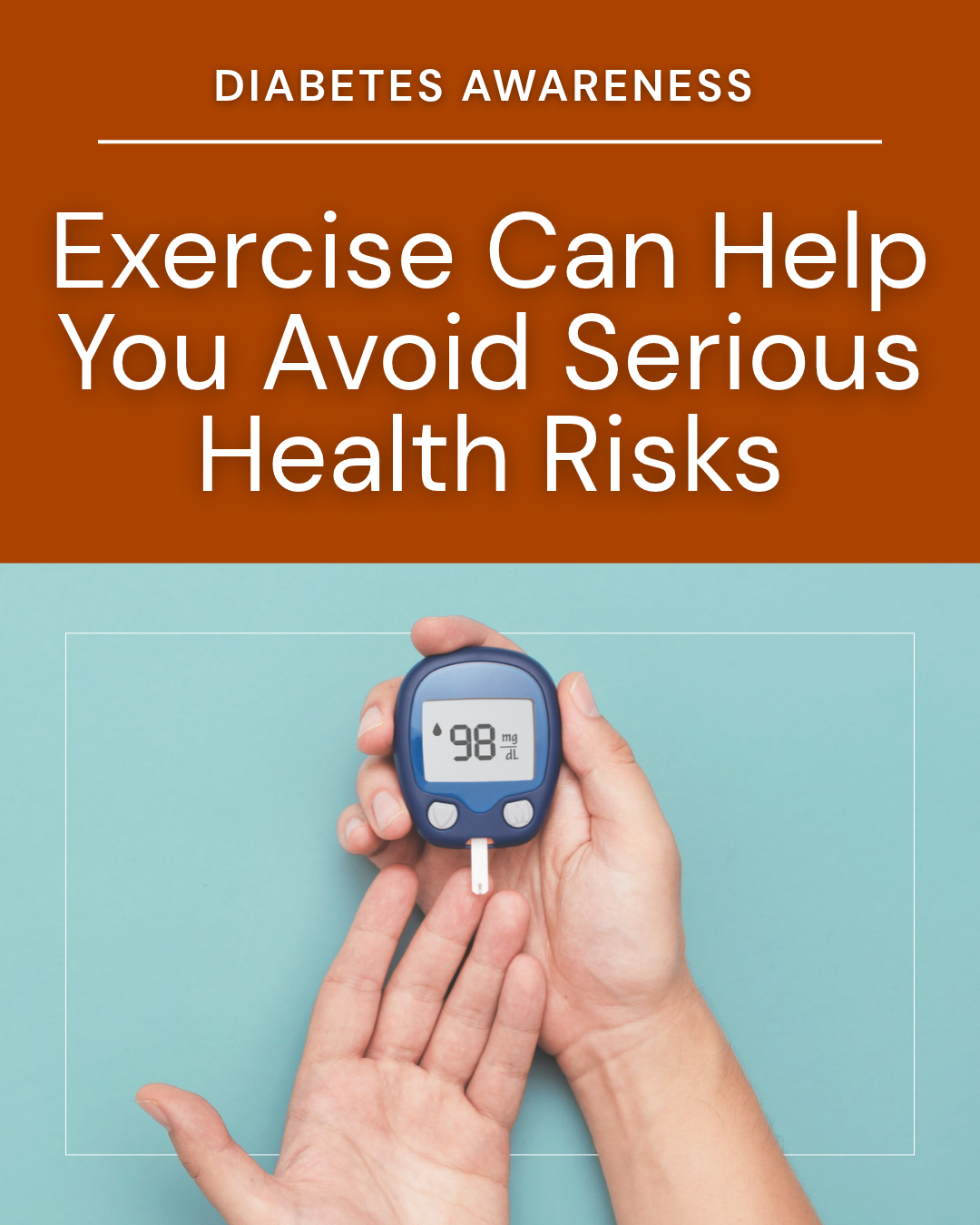
Regular exercise is one of the most important things you can do to help prevent or delay type 2 diabetes.
And if you already have diabetes, staying physically active can help you manage the condition and reduce your risk of serious health problems.
November is Diabetes Awareness Month, making it a good time to talk about the connection between exercise, blood sugar and your long-term health—especially after age 50.
More than 40 million Americans have diabetes. Type 2 diabetes, the most common form, develops when the body doesn't use insulin properly, allowing blood sugar levels to rise.
The risk increases with age.
But here's some encouraging news: regular exercise can make a meaningful difference.
How Exercise Helps Manage Blood Sugar
When you exercise, your muscles need energy.
One source of that energy is glucose, which your muscles can take from your bloodstream.
Regular physical activity also helps improve insulin sensitivity, meaning your body can use insulin more effectively to manage blood sugar.
That's important whether your goal is to help prevent type 2 diabetes or manage a diagnosis you already have.
Exercise can also support a healthy body weight, improve cardiovascular health and help you maintain the physical abilities you need for everyday life.
And there are plenty of ways to get moving.
Walking.
Cycling.
Swimming.
Strength training.
The best approach is often a combination of activities that work for your body and fit into your life.
Why Strength Training Matters After 50
As we get older, we naturally tend to lose muscle mass.
That matters because muscle does much more than help us lift heavy things.
Strong muscles help us:
Carry groceries.
Climb stairs.
Get up from a chair.
Maintain balance.
Stay active and independent.
Muscle also plays an important role in how your body uses glucose.
That's one reason strength training can be such a valuable part of a healthy aging plan.
You don't have to become a bodybuilder.
And you don't have to spend hours in the gym.
The goal is simply to challenge your muscles regularly and build the strength you need for the life you want to live.
Take Charge of Your Health and Your Future
A regular fitness routine can help you build strength, improve your health and keep doing the everyday things that matter most to you.
No matter where you're starting, we'll meet you where you are and help you build strength and confidence at your own pace.
Why Diabetes Can Affect Your Independence
Most people know that diabetes involves high blood sugar.
But the effects of poorly managed diabetes can extend far beyond that.
Over time, diabetes can damage the heart, kidneys, eyes and nerves.
Those complications can affect something we care deeply about: your ability to stay mobile, active and independent.
Heart Disease and Stroke
People with diabetes have a higher risk of heart disease and stroke.
Regular physical activity supports cardiovascular health while also helping manage several risk factors associated with type 2 diabetes.
Vision Problems
High blood sugar can damage the blood vessels in the eyes and lead to serious vision problems.
Regular medical care and good diabetes management are important for protecting your eyesight.
Nerve Damage
Diabetes can damage nerves, causing pain, numbness or weakness—particularly in the legs and feet.
These changes can make walking and other everyday activities more difficult.
Foot Problems and Amputation
Poor circulation and nerve damage can make it harder for wounds to heal properly.
In severe cases, foot problems can lead to amputation.
That's one reason managing diabetes is about much more than watching a number on a blood test.
It's about protecting your ability to move through life the way you want to.
Exercise Is Part of the Bigger Picture
Of course, exercise isn't the only thing that matters.
Healthy eating, weight management, regular medical care and taking prescribed medications all play important roles in preventing and managing type 2 diabetes.
If you have diabetes, it's important to work with your healthcare provider to understand how exercise fits into your individual care plan.
Some diabetes medications can increase the risk of low blood sugar during or after exercise, so knowing how your body responds to activity is important.
And if you haven't been screened for diabetes recently, ask your doctor whether it's time.
Early detection can make a difference.
Protect Your Health Today—and Your Independence Tomorrow
Here's the thing about exercise: the benefits go far beyond a single workout.
Every time you strengthen your muscles, go for a walk or get your heart pumping, you're investing in your future health.
You're working to protect your strength.
Your mobility.
Your energy.
And your independence.
You can't control every health risk that comes with getting older.
But regular movement is one of the powerful tools you can use to take care of your body.
You don't have to do everything perfectly.
You just have to start somewhere—and keep moving forward.
Because the strength and health you build today can help you keep doing the things you love for years to come.
Ready to Invest in Your Health and Independence?
Let us help you build a fitness routine that supports your strength, mobility and ability to live life on your terms.
You don't need to be fit before you start. We'll help you take the first step and support you along the way.

Start Getting In Better Shape

Submit Your Info
Get to know each other. Learn about our program. Get a personalized plan.

Submit Your Info
Get to know each other. Learn about our program. Get a personalized plan.

Follow Our Plan
Exercise at least 3x/wk, follow our nutrition steps, communicate with your coach.
Follow Our Plan
Exercise at least 3x/wk, follow our nutrition steps, communicate with your coach.

Reach Your Goal
Love the way you look, feel strong, fit, and live more active.
Reach Your Goal
Love the way you look, feel strong, fit, and live life on your terms!
About Us
We help seniors take the guesswork out of exercise so they can achieve their fitness goals. With our coaching program, you will confidently workout, nourish your body, and stay committed to your goals, without spending a fortune on a personal trainer.
Do you want help transforming your body and fitness?
Affiliations


2024 Copyright © Desert Fitness Collective: Senior Fitness in Palm Desert
About Us
We’ll help you take the guesswork out of staying in shape so you can achieve your fitness goals. With our coaching program, you will confidently exercise, meal plan, and stay committed to your goals, without spending a fortune on a personal trainer.
Do you want help to transform your body and fitness?
Affiliations